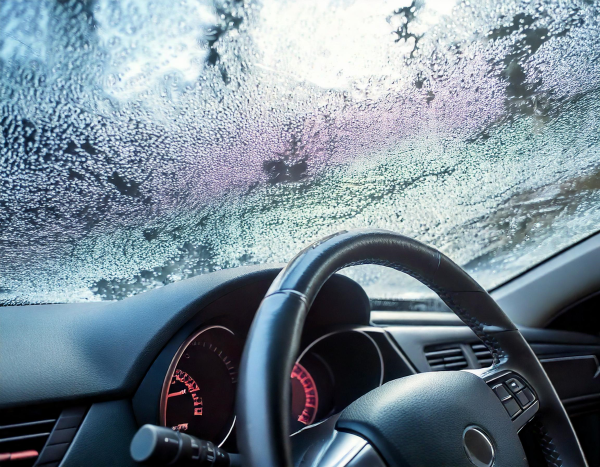
A well-functioning climate control system is essential for comfort, especially in cold weather. However, your vehicle’s heating system can sometimes fail, leaving you with no heat when you need it most. Here, we cover the top causes of heating issues in vehicles and explain how you can resolve them effectively with help from professionals.
1. Plugged Heater Core
The heater core is a small, radiator-like component within your vehicle's HVAC system. It transfers heat from the engine coolant to the air blown into the cabin, ensuring warmth during colder seasons.
- Symptoms: When the heater core is plugged, you may experience little to no warm air from the vents (even with the heat setting on high) and a noticeable coolant smell in the cabin, which can indicate coolant leakage from the core.
- Cause: The most common cause of a plugged heater core is the accumulation of rust, sediment, or debris in the coolant system. Over time, this buildup restricts coolant flow through the heater core, reducing its ability to transfer heat to the cabin air.
- Solution: A thorough flush of the heater core can help remove blockages. If flushing does not resolve the issue, the heater core may need replacement. Our technicians at Banno Auto Repair can accurately diagnose and repair heater core issues to restore warmth to your vehicle's cabin.
2. Faulty Thermostat
The thermostat regulates coolant flow based on engine temperature. When the engine is cold, it remains closed to help the engine warm up, then opens to maintain an optimal operating temperature.
- Symptoms: Indicators of a faulty thermostat include the engine temperature gauge remaining low or fluctuating erratically and insufficient cabin warmth, even after driving for some time.
- Cause: A thermostat stuck in the open position prevents the engine from reaching the appropriate temperature, resulting in inadequate heat for the cabin. This issue is often due to mechanical wear or failure within the thermostat.
- Solution: Replacing the thermostat is usually a quick, effective fix for this issue. Our team uses high-quality, reliable thermostats to ensure consistent heating for your vehicle’s interior.
3. Blower Motor Malfunctions
The blower motor is integral to the HVAC system, propelling conditioned air through ducting and into the cabin. It regulates both airflow rate and distribution within the vehicle interior.
- Symptoms: Malfunctions in the blower motor are often indicated by reduced or nonexistent airflow from the vents, irrespective of fan speed settings, as well as erratic or intermittent air delivery due to inconsistent motor operation.
- Cause: Blower motor failures may result from gradual wear of internal components or electrical faults within the motor circuitry, which can compromise functionality. Additionally, foreign objects or debris lodged in the blower fan can impose excessive load, further diminishing airflow efficiency.
- Solution: Replacing a deteriorated blower motor assembly or repairing associated electrical issues typically restores proper air distribution. Our technicians at Banno Auto Repair are equipped to diagnose and address blower motor failures, ensuring reliable HVAC performance and optimal cabin comfort.
4. Cooling System Leak
The cooling system, composed of components such as hoses, a radiator, and a water pump, is responsible for circulating coolant to regulate engine temperature and prevent overheating. For optimal performance, the coolant must remain pressurized, which raises its boiling point, allowing it to absorb and dissipate more heat. Leaks in the system compromise this pressure, reducing the coolant’s capacity to maintain higher temperatures and directly impacting engine and cabin heating efficiency.
- Symptoms: Indications of a cooling system leak include a decline in coolant levels, often leading to engine overheating and diminished cabin heating performance. Visible coolant residue or puddles beneath the vehicle and a distinct sweet odor emanating from the engine bay are additional indicators of a leak.
- Cause: Cooling system leaks commonly result from deteriorated hoses, worn seals, or a fractured radiator, which prevent the system from maintaining necessary pressure levels. This loss of pressure restricts coolant flow to critical areas, including the heater core, diminishing its ability to transfer heat into the cabin.
- Solution: Prompt detection and repair of leaks are essential to restore proper system pressure and heating capacity. Banno Auto Repair offers comprehensive diagnostics to pinpoint and resolve cooling system leaks, ensuring the integrity of coolant flow and temperature regulation within your vehicle’s heater core.
5. Air Distribution System Malfunctions
The air distribution system relies on components like blend doors and actuators to direct airflow precisely through designated vents, facilitating targeted heating or cooling based on system settings.
- Symptoms: Indications of air distribution malfunctions include air directed through incorrect vents regardless of user settings, and uneven temperature output across vents, with certain vents delivering warm air while others remain cool.
- Cause: Malfunctions are frequently caused by faulty blend door actuators, which control the movement and positioning of blend doors. Electrical issues can also impede the proper operation of actuators and doors, resulting in compromised airflow distribution.
- Solution: Replacing or repairing malfunctioning actuators and blend doors ensures accurate airflow distribution according to HVAC settings. Our team conducts thorough checks to confirm optimal air routing, enhancing cabin comfort for all occupants.
6. Malfunctioning HVAC Control Module
The HVAC control module governs critical climate functions, allowing the driver to adjust temperature, fan speed, and airflow direction. Faults within this module can hinder precise regulation of the cabin environment.
- Symptoms: Malfunctions in HVAC controls are often characterized by unresponsive temperature or fan adjustments, along with control settings that fail to register or execute intended changes.
- Cause: Control module issues typically stem from electrical malfunctions within the module itself, a degraded or failing control interface, or wear on physical control knobs. Such issues interrupt consistent cabin temperature management.
- Solution: Diagnosing and repairing or replacing a faulty control module restores functionality to the HVAC system, ensuring responsive control over climate settings. Banno Auto Repair specializes in identifying and resolving HVAC control module issues efficiently.
7. Obstructed Cabin Air Filter
The cabin air filter is designed to capture particulates like dust, pollen, and other debris, ensuring clean, filtered air circulates within the vehicle’s interior. A restricted filter reduces airflow efficiency and affects cabin air quality.
- Symptoms: A clogged cabin air filter often results in noticeably reduced airflow from vents, even at maximum fan speed, accompanied by dusty or stale odors within the cabin.
- Cause: Accumulation of dust, pollen, and debris over time obstructs the cabin air filter, impairing airflow and straining the HVAC system. This restriction decreases heating efficiency and limits the filter’s ability to maintain optimal air quality.
- Solution: Routine replacement of the cabin air filter maintains unrestricted airflow and enhances air quality. Banno Auto Repair can inspect and replace your cabin filter to optimize HVAC performance.
8. Electrical System Faults
The HVAC system relies on a network of electrical connections, wiring, and fuses to operate components like the blower motor, blend door actuators, and control module. Electrical issues can significantly impact heating and cooling functionality.
- Symptoms: Electrical faults often manifest as intermittent or unresponsive climate control features, with occasional total loss of heating capability or unstable cabin temperatures.
- Cause: Common causes include blown fuses, degraded or damaged wiring, and poor or corroded connections that interrupt power flow. Moisture intrusion can also contribute to electrical degradation, leading to inconsistent HVAC performance.
- Solution: Comprehensive diagnostics by our technicians identify and resolve electrical faults, restoring reliable heating and cooling functionality. Banno Auto Repair’s experts can locate and repair compromised wiring or connections to ensure stable HVAC operations.
At Banno Auto Repair, we specialize in identifying and resolving heating issues for all types of vehicles. Our experienced technicians will have your climate control system running efficiently in no time, ensuring your comfort on the road. For professional diagnostics and repairs, contact us today.
